Rethinking Renewable Energy through a Systems Perspective

![Wind Turbines - https://balticwind.eu/the-biggest-offshore-wind-tender-in-danish-history-has-been-published/#iLightbox[gallery38388]/0...](/content/images/size/w1200/2025/11/Screenshot_7-11-2025_102441_substack.com.jpeg)
Renewable Energy is "infinite" only on a healthy and environmentally sound planet.
Commentary
The definition of renewable energy, as found in sources like the Oxford Dictionary of Environment and Conservation, describes it as energy derived from natural processes that are essentially inexhaustible — including sunlight, wind, flowing water, geothermal heat, and biomass. The emphasis is on the idea that these sources regenerate naturally and are not depleted when used, setting them apart from conventional fuels. This framing paints a picture of abundance and sustainability, reinforcing the belief that renewable energy is a limitless solution to our global energy demands. It offers a clear and optimistic contrast to fossil fuels, positioning renewables as the cornerstone of a cleaner, more sustainable future.
On the other hand, the definition of fossil fuels presents them as finite, non-renewable resources formed over millions of years through the decomposition of organic matter. Fossil fuels such as coal, oil, and natural gas are burned to generate energy but emit harmful greenhouse gases in the process, contributing to climate change. The definition highlights their unsustainable nature, both in terms of environmental impact and long-term availability. While fossil fuel reserves may last another century, their continued use is economically and ecologically problematic. This contrast with renewables appears clear-cut on the surface: one source is framed as infinite and clean, the other as finite and dirty. However, as my essay argues, these definitions may oversimplify the complex realities of energy systems, particularly when the sustainability of renewables depends heavily on how, where, and at what scale they are developed.
Now that we’ve established the textbook definitions, it’s easy to see the clear distinctions between renewable and fossil fuel energy sources. However, it's overly simplistic to label renewable energy as "infinite" or "inexhaustible" without qualifying that claim. While the sun may shine and the wind may blow for billions of years, the actual ability to harness these resources is deeply dependent on environmental, climatic, and ecological conditions, many of which are rapidly deteriorating. This suggests that a systems-based lens is crucial. The definition of renewable energy, as it stands, lacks nuance as it assumes that the planet will always remain in a state that allows for the smooth extraction and conversion of these energy flows. But is that assumption valid?
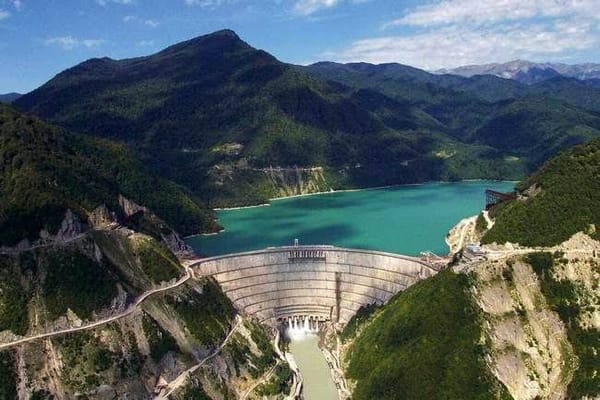
Take freshwater, for example, which is essential for generating hydroelectric power through dams , whether reservoir-based, pump storage, or run-of-river systems. In theory, as long as rivers run, we can generate power. But climate change is already disrupting freshwater systems worldwide. Glaciers are melting at alarming rates, precipitation patterns are shifting, and rivers are experiencing extreme fluctuations, from floods to droughts. Water bodies are becoming increasingly polluted, especially in the Global South, where waste disposal infrastructure is often inadequate. Rivers are used for bathing, washing, and are frequently filled with plastic and industrial waste. If these trends continue, can we still rely on rivers as a viable energy source? Similarly, wind patterns are being altered by changing atmospheric dynamics, meaning areas that were once optimal for wind farms may become less viable. Even solar energy, while seemingly endless, poses challenges: prolonged heatwaves and droughts caused by intense solar radiation can harm crops, ecosystems, and water supplies. So, can we truly call these sources “renewable” without considering the state and health of the very systems that enable them?
Beyond environmental conditions, it’s also important to examine the material foundations of renewable energy infrastructure. While the energy sources themselves aka sun, wind, and water may be naturally replenishing, the technologies used to capture and store that energy are anything but. Solar panels, wind turbines, and battery storage systems depend heavily on finite raw materials such as lithium, cobalt, nickel, and rare earth elements. These materials are often extracted through mining operations that are energy-intensive, environmentally destructive, and frequently linked to labor exploitation, particularly in the Global South. The mining process can contaminate water sources, displace communities, and damage ecosystems ironically undermining the very environmental goals renewable energy is meant to achieve. Moreover, these materials are not evenly distributed around the world, which raises geopolitical concerns about supply chains and energy security. If the global push for renewables does not account for these underlying resource constraints, we risk creating a new kind of extractivism under the guise of green energy ie shifting from oil rigs to lithium mines, from fossil fuel dependence to resource-intensive “green” dependence.
In the end, the question is not whether we should phase out fossil fuels — that much is clear. Fossil fuels are a primary driver of rising global temperatures, climate change, and a host of cascading crises: ocean acidification, sea level rise, extreme weather, air pollution, plastic contamination, oil spills, and serious public health issues. Burning them releases greenhouse gases like carbon dioxide that trap heat in the atmosphere and destabilize the climate system. Moving away from fossil fuels is no longer a matter of debate, it is a moral and planetary imperative.
However, while renewable energy excluding large-scale hydropower, which I will explore in a separate essay and is the focus of my PhD research offers a promising alternative, we cannot afford to assume it is a silver bullet. Renewable energy can only be genuinely sustainable if it is developed within the boundaries of a healthy planet. The ecosystems that provide the conditions for wind to blow, water to flow, and the sun to shine in balance must be preserved. Biodiversity, soil health, freshwater quality, and climate stability are not luxuries they are the operating system on which renewable energy depends. Without them, even the most advanced solar panel or wind turbine is useless.
So the point I am raising is this: renewable energy is not automatically "renewable" just because the source is replenishable. It only remains renewable as long as we maintain the planetary systems that make it so. This means ethical development, systems thinking, and above all, environmental care. If we continue to degrade the planet in pursuit of profit, we risk a future where rivers are too polluted, winds too erratic, and temperatures too extreme to harness energy at all. The so-called “green transition” will fail not because we didn’t have alternatives, but because we treated those alternatives with the same arrogance and short-term thinking that brought us here.
As the famous environmental proverb reminds us: “Only when the last tree has died and the last river has been poisoned and the last fish has been caught will we realize that we cannot eat money.” Let’s not wait for that moment to arrive before we act.