Mountains at Risk: The Human Cost of GDP-Focused Development in the Himalayas

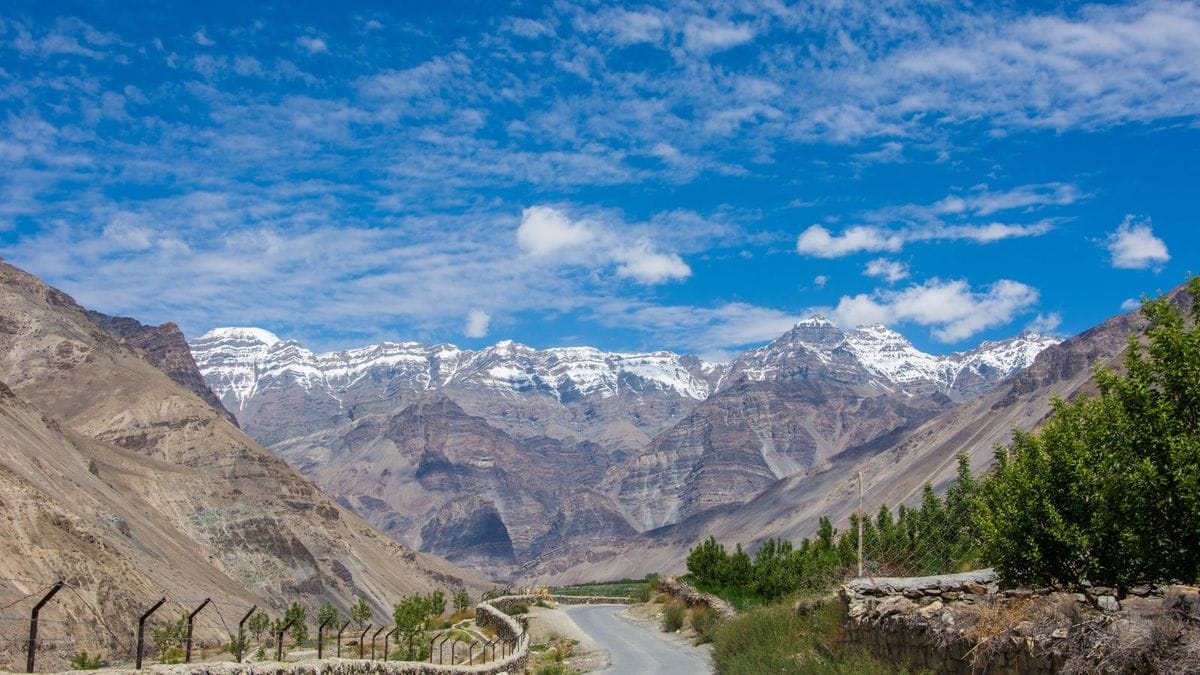
Himalayan states chase GDP growth while neglecting human development and ecological health of their ecosystems. Interviews with founders of local NGOs in Uttarakhand, Himachal Pradesh, Ladakh as well show hydropower, deforestation, and infrastructure are driving biodiversity loss and rising disaster risk.
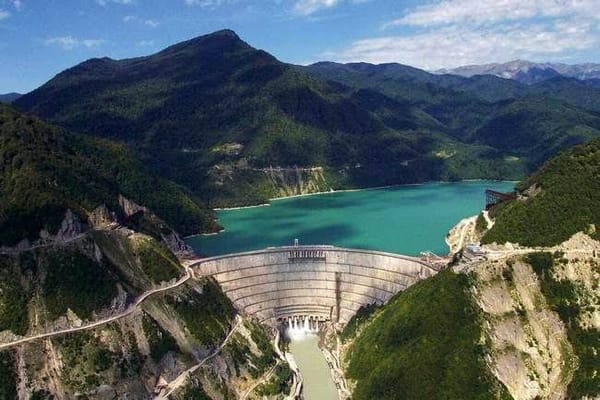
Across India’s Himalayan states of Uttarakhand, Himachal Pradesh and Ladakh, development has been reduced to a narrow race for GDP expansion. Governments prioritise hydropower projects, expressways, mega-tunnels, and unregulated tourism corridors as symbols of progress while the pristine region’s social, ecological, and geological foundations steadily weaken. A human-centred approach to development is urgently needed, one that measures progress through health, safety, education, ecological stability, and disaster resilience rather than annual GDP figures.
Interviews conducted with NGO leaders, local activists, and environmental researchers across Uttarakhand, Himachal Pradesh and Ladakh reveal a deeply troubling picture. Communities living near hydropower projects report increased slope instability, drying springs, riverbed mining, reduced forest access, and loss of traditional livelihoods. Massive road widening, cutting of mountain slopes, indigenous trees and tunnelling have contributed to chronic landslide zones, while deforestation for infrastructure corridors has fragmented wildlife habitats and increased human–animal conflict. Biodiversity loss, river degradation, and groundwater disruption are steadily eroding ecological buffers that once protected mountain populations from climatic extremes.
These conversations make it clear that GDP-driven development or the development at any cost attitudes are creating a fragile mountain economy built on damaged ecosystems and escalating disaster risk. Development is promoted as the highway to economic prosperity yet local testimonies show how blasting, river diversions, and tunnelling intensify vulnerability in a region already sensitive to tectonic movement and erratic monsoon patterns. With climate change and extreme weather, the consequences of this model are becoming increasingly dangerous.
© 2025 Diva Sinha. All rights reserved.
This article, including all original ideas, analysis, and written content, is protected under international copyright law. No part of this publication may be reproduced, distributed, copied, or used in any form without prior written permission from the author.